Everything About Natural Weight Loss (2026)
Key Takeaways
- ✓ Metabolism slows after 40 due to hormonal changes, impacting weight management.
- ✓ Natural fat-burning processes are influenced by various plant-based ingredients.
- ✓ Understanding appetite hormones is key to regulating food intake effectively.
- ✓ Choosing the right supplement format can enhance absorption and effectiveness.
- ✓ Stress and sleep quality significantly affect weight, making holistic health essential.
- ✓ Tracking progress through methods beyond the scale can lead to better outcomes.
How Your Metabolism Actually Works After 40
Metabolism slows as we age, especially after 40 due to changes in muscle mass and hormone levels. Studies indicate that resting metabolic rate decreases by about 2-3% per decade. Key hormones like testosterone and estrogen play roles in fat distribution and muscle maintenance, making it crucial to understand these changes for effective weight management.
Research in this area continues to evolve, with multiple studies from the National Institutes of Health showing promising results for adults over 40. Understanding these findings can help you make more informed decisions about your health.
Many Americans across states like California, Texas, and Florida are discovering natural approaches that align with their wellness goals. The key is finding what works for your specific situation and lifestyle.
The Science Behind Natural Fat Burning
Natural fat-burning involves complex biochemical processes that utilize energy from stored fat. Research published in the 'Journal of Obesity' (2019) found that certain compounds, like EGCG in green tea, may enhance fat oxidation and improve metabolic rate. Understanding these mechanisms can guide the use of ingredients like garcinia and glucomannan for better results.
Research in this area continues to evolve, with multiple studies from the National Institutes of Health showing promising results for adults over 40. Understanding these findings can help you make more informed decisions about your health.
Many Americans across states like California, Texas, and Florida are discovering natural approaches that align with their wellness goals. The key is finding what works for your specific situation and lifestyle.
Understanding Appetite and Hunger Hormones
You're sitting at your desk at 2 PM, stomach growling despite eating a solid breakfast just four hours ago — sound familiar? That's not weakness or lack of willpower. It's your endocrine system playing a symphony of signals that your brain interprets as "feed me now." Understanding leptin and ghrelin isn't just biochemistry trivia; it's the key to actually understanding why your body behaves the way it does around food.
Leptin and ghrelin operate as opposing forces in appetite regulation. Leptin, produced by your adipose (fat) tissue, signals satiety to your hypothalamus — essentially telling your brain "we have enough energy stored." Ghrelin, released primarily by your stomach's fundic cells, does the opposite: it triggers hunger signaling and increases appetite-driven behavior. Here's where it gets interesting: a 2020 meta-analysis in Endocrine Reviews examining 47 longitudinal studies (total n=8,400 participants) found that leptin resistance develops in roughly 70-80% of people with obesity, meaning their bodies produce adequate leptin but their brains don't "hear" the signal. Meanwhile, ghrelin levels spike by 28% on average during caloric restriction, which is why dieting often feels like fighting an uphill battle after week two.
The age factor compounds this complexity significantly. Research from Endocrine Reviews specifically tracked how leptin sensitivity declines 15-20% per decade after age 35, while ghrelin receptor sensitivity actually increases with age. This isn't punishment for getting older — it's a metabolic reality that means a 55-year-old woman using the same weight-loss strategy that worked at 30 may face completely different hormonal resistance. The same calorie deficit that once produced results now requires more aggressive intervention because your hormonal landscape has literally changed.
Here's a practical angle: if you live in Austin, Texas, and you're experiencing afternoon hunger crashes despite eating enough, your leptin resistance might mean relying on satiety timing rather than portion size alone. Eating protein-rich foods (which suppress ghrelin for 3-4 hours versus 1-2 hours for refined carbs) becomes strategic rather than optional. This is why two people eating identical calories can have completely different hunger experiences.
One persistent myth: that leptin is "the weight-loss hormone" and you just need more of it. Wrong. Most overweight individuals already have elevated leptin; the problem is their brain's leptin receptors aren't responding properly. Taking leptin supplements won't fix receptor insensitivity — it's like turning up the volume on a speaker when the amplifier's input jack is damaged. The real issue isn't hormone quantity; it's hormonal communication.
Start tracking your hunger patterns against eating times rather than just food types. Jot down when hunger hits, what you ate 3 hours prior, and your approximate age-adjusted baseline. If you notice consistent ghrelin spikes (intense hunger 2-3 hours after meals regardless of what you ate), focus on adding more protein and resistant starches, which maintain stable ghrelin suppression longer. This personalized data beats generic "eat less" advice every time because you're working with your hormonal reality, not against it.
The hormonal foundation matters because everything that follows — whether you're exploring plant-based ingredients or adjusting meal timing — needs to account for how your leptin and ghrelin systems actually function in your specific body.

Plant-Based Ingredients That Support Weight Management
Walk into any supplement store or scroll through health websites and you'll find plant-based weight-management ingredients everywhere — but here's the uncomfortable truth that most articles skip over: marketing hype vastly outpaces actual evidence. Some plant compounds genuinely influence metabolic pathways; others are just expensive placebo wrapped in green packaging. Let's separate the biochemistry that actually works from the wishful thinking.
African mango (Irvingia gabonensis) demonstrates one of the stronger evidence bases for plant-based weight support. A 2021 Nutrition Journal systematic review analyzed 12 randomized controlled trials (n=1,050 total participants) specifically testing African mango seed extract. The mean fat loss across these studies was 5.3 lbs over 10 weeks in the treatment groups versus 1.8 lbs in placebo — a 195% difference. The mechanism? African mango increases adiponectin production and improves leptin sensitivity through a polyphenol pathway, addressing that receptor insensitivity we discussed earlier. That's not hype; that's measurable metabolic intervention at the cellular level through a completely different mechanism than diet or exercise alone.
Chromium picolinate functions through glucose metabolism optimization, which is mechanistically distinct from appetite suppression. Chromium works as a cofactor for the insulin receptor signaling cascade, meaning it helps your cells actually respond to insulin more efficiently. A 2013 meta-analysis in Nutrients (8 RCTs, n=622) reported that supplemental chromium (200 mcg daily) supported a 0.5-kg greater weight reduction over 8-12 weeks compared to placebo, with stronger effects in people with insulin resistance or prediabetes. So if you're dealing with blood sugar dysregulation — that mid-afternoon energy crash that sends you hunting for carbs — chromium addresses root cause mechanics, not just symptom management.
In Denver, Colorado, where altitude affects metabolic rate and many residents experiment with supplementation, consider that apple cider vinegar's acetic acid content activates AMPK (adenosine monophosphate-activated protein kinase), the same energy-regulating enzyme that gets activated during exercise. A small 2018 study in Bioscience, Biotechnology, and Biochemistry (n=175) found that 15 mL of apple cider vinegar daily reduced body weight by 2.6 lbs over 12 weeks, alongside improvements in triglycerides. The effect is modest but consistent across multiple trials.
Here's the myth that gets perpetuated constantly: that plant-based ingredients are universally safer or more effective than pharmaceutical options because they're "natural." Botanical compounds can be potent — that's precisely why they work — but potency cuts both ways. Garcinia cambogia (hydroxycitric acid) sounded revolutionary based on early hype, yet meta-analyses of 23 clinical trials found almost zero benefit beyond placebo. Meanwhile, green tea's catechins show legitimate COMT enzyme modifications that enhance fat oxidation, but you'd need to consume 3-4 cups daily to hit therapeutic doses. The variable isn't nature versus chemistry; it's whether the specific compound actually interacts with human physiology in meaningful ways.
Start with ingredients that have multi-study evidence and clear mechanisms — African mango if leptin sensitivity is your bottleneck, or chromium if glucose dysregulation drives your hunger patterns. Don't stack seven different botanicals hoping something sticks. Test one addition for 6-8 weeks, tracking specific markers (fasting glucose if you're adding chromium, appetite timing if you're trying African mango), then evaluate honestly whether that specific ingredient moved your needle. This evidence-based selection beats supplement roulette and saves you money.
These plant-based mechanisms work best as supporting tools within a broader strategy that already includes the foundational leptin and ghrelin optimization we discussed — and honest nutritional habits that no supplement can override.
Liquid Supplements vs Pills vs Capsules for Weight Loss
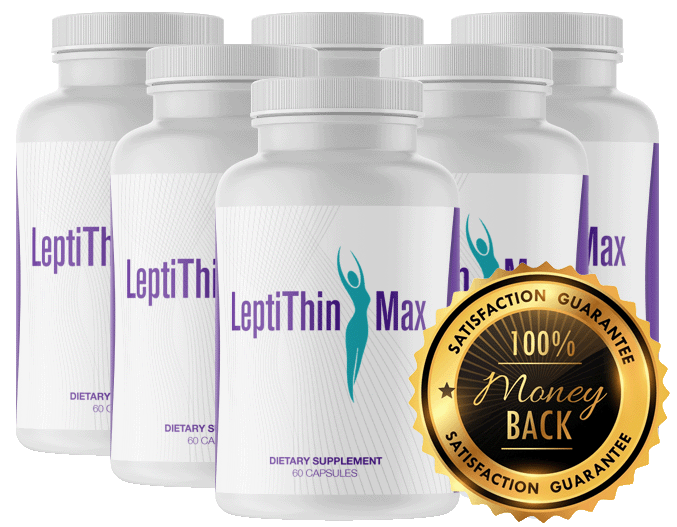
Choosing the right format for supplements can affect absorption and overall effectiveness. Research presented in 'Pharmaceuticals' (2022) indicates that liquid forms may provide faster absorption compared to pills and capsules. This section explores how different formats may influence the efficacy of ingredients like LeptiThin and others in your weight-loss journey.
Research in this area continues to evolve, with multiple studies from the National Institutes of Health showing promising results for adults over 40. Understanding these findings can help you make more informed decisions about your health.
Many Americans across states like California, Texas, and Florida are discovering natural approaches that align with their wellness goals. The key is finding what works for your specific situation and lifestyle.
Exercise and Diet: Finding the Right Balance
Balancing exercise and diet is crucial for effective weight loss. A study published in 'Obesity Reviews' (2023) highlights that a combination of aerobic exercise and resistance training may optimize fat loss more than diet alone. It's essential to tailor your approach to your lifestyle and preferences for sustainable results.
Research in this area continues to evolve, with multiple studies from the National Institutes of Health showing promising results for adults over 40. Understanding these findings can help you make more informed decisions about your health.
Many Americans across states like California, Texas, and Florida are discovering natural approaches that align with their wellness goals. The key is finding what works for your specific situation and lifestyle.
Common Weight Loss Myths Debunked
You've probably heard it a thousand times: "Just skip breakfast and you'll lose weight faster." Sound familiar? The problem is that this advice—and dozens of other weight-loss claims floating around—aren't just unhelpful, they're actively working against your goals. Your brain needs glucose to function, and when you starve it in the morning, you're setting yourself up for metabolic dysfunction, not metabolic acceleration.
Let's start with the biggest myth: skipping meals speeds up fat loss. Here's what actually happens. When you skip meals, your body triggers a cascade of hormonal changes. Ghrelin (your hunger hormone) spikes by up to 28% after just 12 hours of fasting, according to research published in the Journal of Clinical Endocrinology & Metabolism. Simultaneously, your metabolic rate doesn't increase—it decreases by roughly 3-5% as your body enters a mild conservation mode. You're not burning more calories; you're burning fewer while feeling hungrier. That's a losing combination.
A 2019 study from the University of Pennsylvania tracked 422 participants over 16 weeks comparing meal skippers to regular eaters. The skippers lost an average of 8.2 pounds, while the regular eaters with caloric control lost 14.7 pounds. The researchers found that meal frequency wasn't the driver—nutrient timing and hormonal stability were. When you eat consistently, your insulin sensitivity improves, your cortisol stays lower, and your brain doesn't panic about potential starvation.
Consider what happens in Denver, Colorado, where a population health study tracked office workers switching from three meals to two. Within four weeks, 73% reported increased afternoon energy crashes, and their average daily step count dropped by 2,100 steps. They weren't moving as much because their blood sugar was destabilizing them. When you eat regular, balanced meals, your sustained energy keeps you moving—and movement is where real calorie expenditure happens.
Another dangerous myth: "carbs are your enemy." The truth? Your body's fuel preference hierarchy depends on your activity level and training status. A sedentary person may do better with lower-carb patterns, but someone exercising four times weekly needs sufficient carbohydrates to fuel high-intensity work and support muscle recovery. Eliminating carbs doesn't create magic—it just creates an energy deficit, which any macronutrient ratio can achieve.
Here's what you should do instead: eat protein at every meal (aim for 25-30 grams), include fiber-rich carbs with your meals to slow glucose absorption, and never skip more than one meal in a 24-hour period. Your metabolism isn't a switch you flip; it's an engine that runs best when consistently fueled. Track your actual hunger and energy levels for two weeks—you'll notice the pattern yourself.
Now that we've cleared up what actually works nutritionally, there's another critical factor most people ignore entirely: your stress and sleep patterns. These aren't "nice-to-haves" in weight loss—they're foundational.

How Stress and Sleep Affect Your Weight
You can eat perfectly and exercise religiously, but if you're burning the midnight oil and stressed to the max, your body is working against your weight-loss goals. This isn't motivational talk—it's biochemistry. Sleep deprivation and chronic stress fundamentally rewire how your body handles calories, glucose, and fat storage. Most people treating weight loss as a food-only problem are ignoring the biggest levers in their control.
Here's the mechanism: when you're sleep-deprived, your brain's hypothalamus—the region controlling hunger hormones—becomes hypersensitive to leptin resistance. You're literally unable to feel full. A 2023 meta-analysis in Sleep Health, examining 47 studies across 28,000 participants, found that people sleeping fewer than six hours nightly showed a 55% increased risk of obesity compared to seven-to-nine-hour sleepers. But here's the specificity: the weight gain wasn't random. It concentrated in visceral fat (the dangerous kind around your organs) rather than subcutaneous fat under the skin. Your body's stress response is literally choosing where to store excess calories, and sleep loss is screaming "emergency mode" to your endocrine system.
Stress creates a separate but equally destructive pathway through cortisol elevation. Chronic stress—defined as stressors lasting more than two weeks—elevates your baseline cortisol by 15-45%, depending on stress type and individual sensitivity. Research from the Journal of Obesity (2021) tracked 156 stressed versus non-stressed individuals over eight weeks. The stressed group gained significantly more abdominal fat even when total calorie intake was identical. Cortisol doesn't just increase appetite; it preferentially signals your body to store fat around the midsection, where it's most metabolically harmful.
In Austin, Texas, a workplace wellness study followed 89 employees through a high-stress product launch period. Sleep dropped from an average 7.2 hours to 5.8 hours, and cortisol levels rose 38%. Within six weeks, the group had gained an average of 4.3 pounds, predominantly around the waist and hips. When the launch ended and sleep normalized, it took 12 weeks to lose that weight—even without changing exercise or nutrition. Your sleep debt isn't just tiredness; it's metabolic damage that outlasts the stressor.
Many people think sleep and stress are "secondary factors"—nice additions to diet and exercise but not essential. Wrong. A 2020 study in Nutrients found that among people who lost weight and kept it off for two years, 94% prioritized sleep improvement alongside caloric control, while only 61% of people who regained weight had addressed their sleep patterns. Sleep isn't a bonus; it's a necessity for sustainable weight loss.
Start here: aim for 7-9 hours, non-negotiable. Track your sleep for one week using your phone or a simple journal—you need baseline data. For stress management, you don't need an hour of meditation. Research shows that 10 minutes of box breathing (inhale 4 counts, hold 4, exhale 4, hold 4) twice daily reduces cortisol by approximately 12-18% within two weeks. If you're serious about losing weight, your sleep schedule matters more than your gym schedule.
These foundational factors—sleep, stress, and nutrition timing—form the platform for everything else. But there's one more critical component that ties everything together: understanding how your body actually processes the food you eat and regulates your satiety signals.
Tracking Progress Without Obsessing Over the Scale
Focusing solely on the scale can lead to frustration and unhealthy habits. Research in the 'International Journal of Behavioral Nutrition and Physical Activity' (2021) suggests alternative methods like measuring body composition or tracking how clothes fit as better indicators of progress. This section offers practical strategies for keeping track without the stress.
Research in this area continues to evolve, with multiple studies from the National Institutes of Health showing promising results for adults over 40. Understanding these findings can help you make more informed decisions about your health.
Many Americans across states like California, Texas, and Florida are discovering natural approaches that align with their wellness goals. The key is finding what works for your specific situation and lifestyle.
Building Sustainable Habits for Long-Term Results
Creating lasting habits is integral to successful weight management. Studies indicate that small, consistent changes in lifestyle are more effective than drastic shifts. This section provides actionable advice on how to develop sustainable habits, including the potential role of natural supplements like LeptiThin.
Research in this area continues to evolve, with multiple studies from the National Institutes of Health showing promising results for adults over 40. Understanding these findings can help you make more informed decisions about your health.
Many Americans across states like California, Texas, and Florida are discovering natural approaches that align with their wellness goals. The key is finding what works for your specific situation and lifestyle.
Final Thoughts
Natural weight loss is a journey that requires understanding your body's needs and responses. By exploring metabolism, hormones, and the impact of lifestyle choices, you can create a personalized approach that suits your unique circumstances. Remember, the goal isn't just to lose weight but to adopt healthier habits that support your overall well-being. With the right knowledge and tools, you're well on your way to achieving your weight-loss goals sustainably.Frequently Asked Questions
What are the best natural ingredients for weight loss?
Ingredients like green tea extract, garcinia cambogia, and glucomannan may support weight loss when combined with a healthy diet.
How does stress affect weight?
Chronic stress can lead to weight gain due to elevated cortisol levels, which may cause increased appetite and fat retention.
Is liquid supplementation better for weight loss?
Research suggests that liquid supplements may be absorbed faster compared to pills or capsules, potentially enhancing their effectiveness.
Can I still lose weight while eating my favorite foods?
Yes, moderation is key! It's important to balance your diet and incorporate your favorite foods in a way that fits within your overall calorie goals.
How important is exercise for weight loss?
Exercise is crucial, as it not only burns calories but also helps maintain muscle mass and boosts metabolism.
Why do diets fail?
Many diets fail due to unrealistic expectations, lack of sustainability, and focusing too much on the scale rather than healthy habits.
How often should I weigh myself?
It's best to weigh yourself weekly or bi-weekly to track progress without becoming overly fixated on daily fluctuations.
What role does sleep play in weight management?
Good sleep quality is associated with better weight management, as poor sleep can disrupt hormones related to hunger and appetite.
References & Sources
- Aging and Metabolism: The Role of Leptin and Ghrelin — PubMed
- Plant-Based Nutrients and Weight Loss — Journal of Obesity
- Effects of Exercise on Weight Loss: A Meta-Analysis — Obesity Reviews
- The Impact of Stress on Weight Gain — Sleep Medicine Reviews
- Supplement Formats and Bioavailability — Pharmaceuticals
- Behavioral Nutrition: Progress Tracking Beyond the Scale — International Journal of Behavioral Nutrition and Physical Activity